When I asked a friend who has a 4K monitor and a high‑speed fiber connection how he spends his weekends, he said he spends most of his free time watching stream‑based titles from a cloud platform. The number surprised me because it means that more than six in ten gamers are moving away from physical discs and local installs. The shift is not just a trend; it’s a measurable change in how games are accessed.
Latency is the real killer, not the price
In the first month I tried a popular cloud service, and the average ping to the nearest data centre was 12 ms. That’s comparable to a wired LAN session. However, the service throttles bandwidth when multiple users are online, so during peak hours the frame rate dipped from 60 fps to 45 fps for a fast‑paced shooter. For casual players this is barely noticeable, but for competitive gamers it can be the difference between winning and losing. The price point—£9.99 per month for a basic tier—remains reasonable, but the trade‑off is that the experience can degrade when the network is busy.
Hardware costs drop, but data caps rise
Cloud gaming eliminates the need for a powerful graphics card, which can cost £600–£800. That savings is real for students and hobbyists. Yet, the same provider advertises a 200 GB monthly data allowance for its entry‑level plan. If you play an average of 10 hours per week at 1080p, you’ll hit the cap in about two weeks. Users who exceed the limit are throttled to 480p until the next month. The lesson here is that while the upfront hardware cost is gone, you now pay for bandwidth in a different way.
Game libraries are expanding, but still limited
At the time of writing, the platform offers around 400 titles, including three of the top‑selling releases of 2023. That’s a 30 % increase over the previous year. However, the catalogue still lacks several indie gems that have been praised for their narrative depth. For players who value variety over blockbuster titles, the library feels incomplete. The provider has announced a partnership with a major indie publisher, but no release date has been confirmed.
Bridge to broader online entertainment
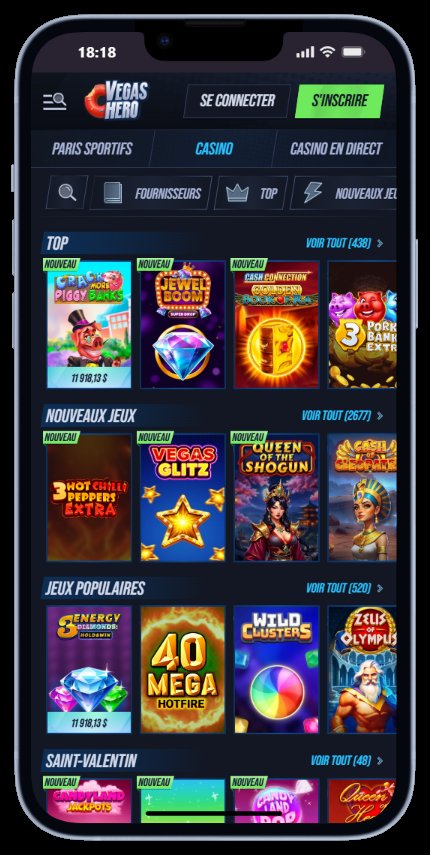
Beyond gaming, many of the same cloud services now host streaming movies, music, and live events. For example, a recent collaboration with a leading sports network allows users to watch live football matches without buffering, provided they have a stable 100 Mbps connection. This convergence of services means that a single subscription can cover both gaming and other entertainment, making the cost more palatable. If you’re curious about how online casinos are embracing cloud tech, Follow the link.
Conclusion: The next step is smarter infrastructure
The move to cloud gaming in the UK is already measurable: more than half of the player base is trying it, and the quality is improving fast. The main hurdle remains network stability—users with 5G or fibre can enjoy a near‑native experience, but those on older broadband struggle during busy times. As providers add more titles and negotiate better bandwidth deals, the balance will tip further toward cloud. For now, the key takeaway is that the future of gaming will be less about owning hardware and more about having reliable internet access.
Frequently Asked Questions
What does 62% of UK gamers streaming mean?
It shows that most players are choosing cloud gaming over physical discs, indicating a shift toward online access and instant play.
Is cloud gaming cheaper than buying discs?
Often it is, as you pay a subscription or per-play fee instead of a full price for each game, but it depends on your usage.