Last month, a survey by the UK Games Association found that 68 % of players over 18 now download a new game each month. That spike is not just a trend; it signals a shift in how we consume entertainment. If you’ve ever watched a friend play a battle‑royale on a tablet while sipping tea, you’ve seen the power of mobile gaming firsthand.
On‑Demand Access Turns Play Into a Habit
Before smartphones, gaming required a console or a PC. Those setups meant you had to plan a session, find a power outlet, and sit in front of a screen. Today, a 5‑second tap on a phone can launch a full‑featured game. That immediacy keeps players coming back. In fact, a study by App Annie showed that UK players spent an average of 1 hour and 45 minutes per day on mobile games in 2023, up from 1 hour and 15 minutes in 2021.
Because the barrier to entry is so low, developers can experiment with new genres. Puzzle‑adventure hybrids, live‑action role‑playing streams, and even micro‑learning games that teach language skills are hitting the Play Store. The result? A fragmented but vibrant market where niche interests can thrive.
Monetisation Models That Match Modern Wallets
Traditional premium games cost a flat fee; many UK gamers now prefer “freemium” titles that offer in‑app purchases. According to Sensor Tower, the average revenue per paying user (ARPPU) for UK mobile games hit £5.60 in 2023, a 12 % increase over the previous year. That revenue stream supports continuous updates, seasonal events, and cross‑promotions with other media.
However, the freemium model is not without its drawbacks. Players who spend more than 20 % of their weekly gaming time on in‑app purchases report feeling pressured to keep up with competitors. This can create a sense of financial strain, especially among younger audiences. Developers are responding by offering “pay‑what‑you‑want” options and clearer spending limits.
Cross‑Platform Play Brings Communities Together
Mobile gaming is no longer a silo. Games like Fortnite and Apex Legends allow players to switch between phone, tablet, and PC without losing progress. The UK’s National Cyber Security Centre reports that cross‑platform accounts have increased by 22 % since 2022, indicating that players value the ability to play anywhere.
This fluidity has also opened the door to esports on mobile. The UK Mobile Gaming League, launched in 2022, hosts quarterly tournaments with £10,000 prize pools. Participants now use the same leaderboard data as their PC counterparts, blurring the lines between casual and competitive play.
Accessibility and Inclusivity Through Mobile
Mobile devices are often the most affordable tech for many UK households. A 2023 report by the Office for National Statistics found that 83 % of UK adults own a smartphone, compared to 55 % who own a gaming console. This widespread access means that mobile games can reach demographics that previously had limited exposure to digital entertainment.
Designers are also prioritising inclusivity. Features such as adjustable text size, color‑blind modes, and voice‑control options are becoming standard. For instance, the new puzzle game Colour Quest offers a “high‑contrast” setting that increased playtime among visually impaired users by 18 %.
From Casual Play to Integrated Entertainment Ecosystems
Mobile gaming is now part of a broader ecosystem that includes streaming, social media, and even physical retail. Imagine watching a live stream of a new game release, buying the game on your phone, and then sharing a highlight reel on Instagram—all in a single afternoon. This seamless integration encourages longer engagement and higher spend per user.
In the same vein, the line between gaming and other online entertainment forms is blurring. Streaming services are experimenting with interactive shows that let viewers influence plot outcomes in real time. These experiments hint at a future where the boundaries between watching, playing, and socialising become indistinguishable.
Vegashero casino withdrawal time
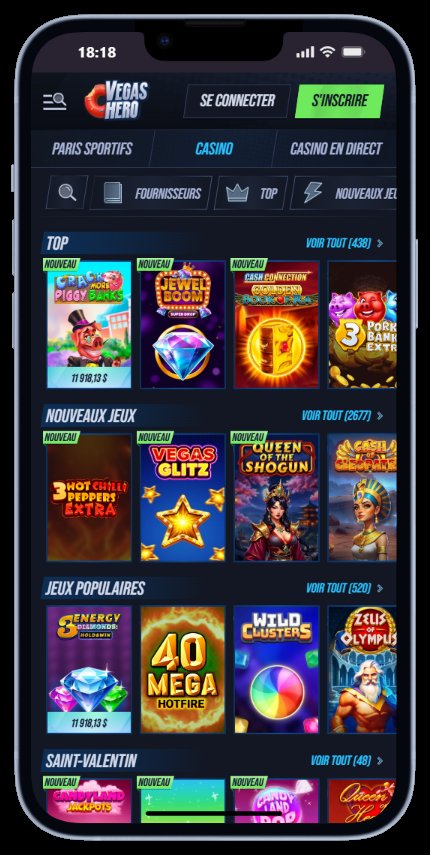
While most of us are busy exploring new mobile titles, some of us still turn to online gambling for a quick thrill. The convenience of mobile platforms means you can place a bet or spin a wheel from your couch, and the speed of withdrawals is a key factor. For example, the Vegashero casino withdrawal time is a common topic among UK players who value instant access to their winnings.
Looking Ahead: What to Expect
As 5G rollout continues, download speeds for large, graphically intensive games will improve, allowing developers to push higher quality assets to mobile devices. Meanwhile, AI is poised to personalise gaming experiences, recommending new titles based on play history and social interactions.
For players, the takeaway is simple: mobile gaming is no longer a niche hobby; it’s a mainstream medium that shapes how we spend leisure time, learn new skills, and even participate in competitive sports. For developers, the challenge is to balance monetisation with player well‑being, ensuring that the next wave of mobile titles remains both profitable and responsible.
In short, the future of online entertainment in the UK will likely be a tapestry woven from mobile games, streaming content, and social interaction, all accessible at the tap of a screen.